Machaxi: Turning a Coaching Academy Into a Connected, Competitive Sports Platform
Machaxi gives badminton academies one product to manage their students and open their courts to new players — unifying batches, attendance, bookings and payments into a single system, and giving academy players ranked, competitive play worth coming back for.
Design a product, solo, that lets a coaching institute manage its students and open its courts to non-coaching members for extra revenue — with player rankings and formal challenges as the hook that makes playing exciting. Delivered from the client’s brief through information architecture, flows and UI.
- Run the academy — manage students, batches, attendance and fees in one place
- Monetise the courts — a new revenue stream and lead generator (5% commission on every court booking from non-coaching members), plus an upsell of the player-management app
- Drive engagement — use rankings and challenges to make playing exciting and repeatable
- Connect the ecosystem — academies, players, parents and coaches on one platform
- Players — book courts, track progress, compete and climb the rankings
- Parents — track a child’s progress, attendance and fees, and talk to coaches
- Coaches — run batches, mark attendance, score matches and rate players
- Guests — discover an academy and book a court without friction, before signing up
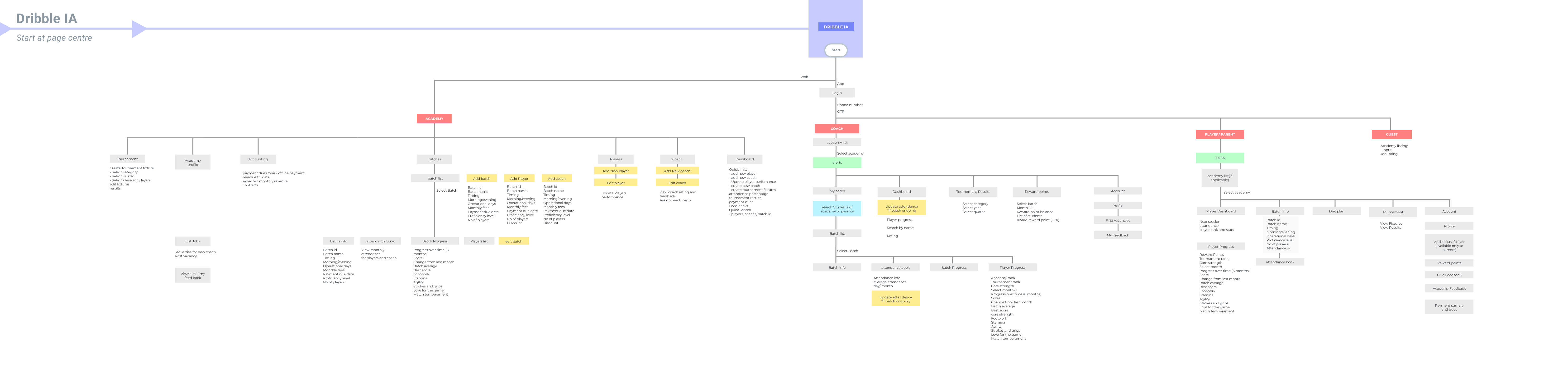
I mapped the whole ecosystem into one information architecture, then split it into an academy web panel and role-focused apps on a shared data model. I designed the booking engine, the coaching-progress rubric, and the rankings-and-challenge flow that turned court time into competitive play — with a guest flow to bring new players in.
- Information architecture — the full IA, including the multi-role model across academy, coach, player / parent and guest
- User flows — booking, batches, attendance, tournaments and payments
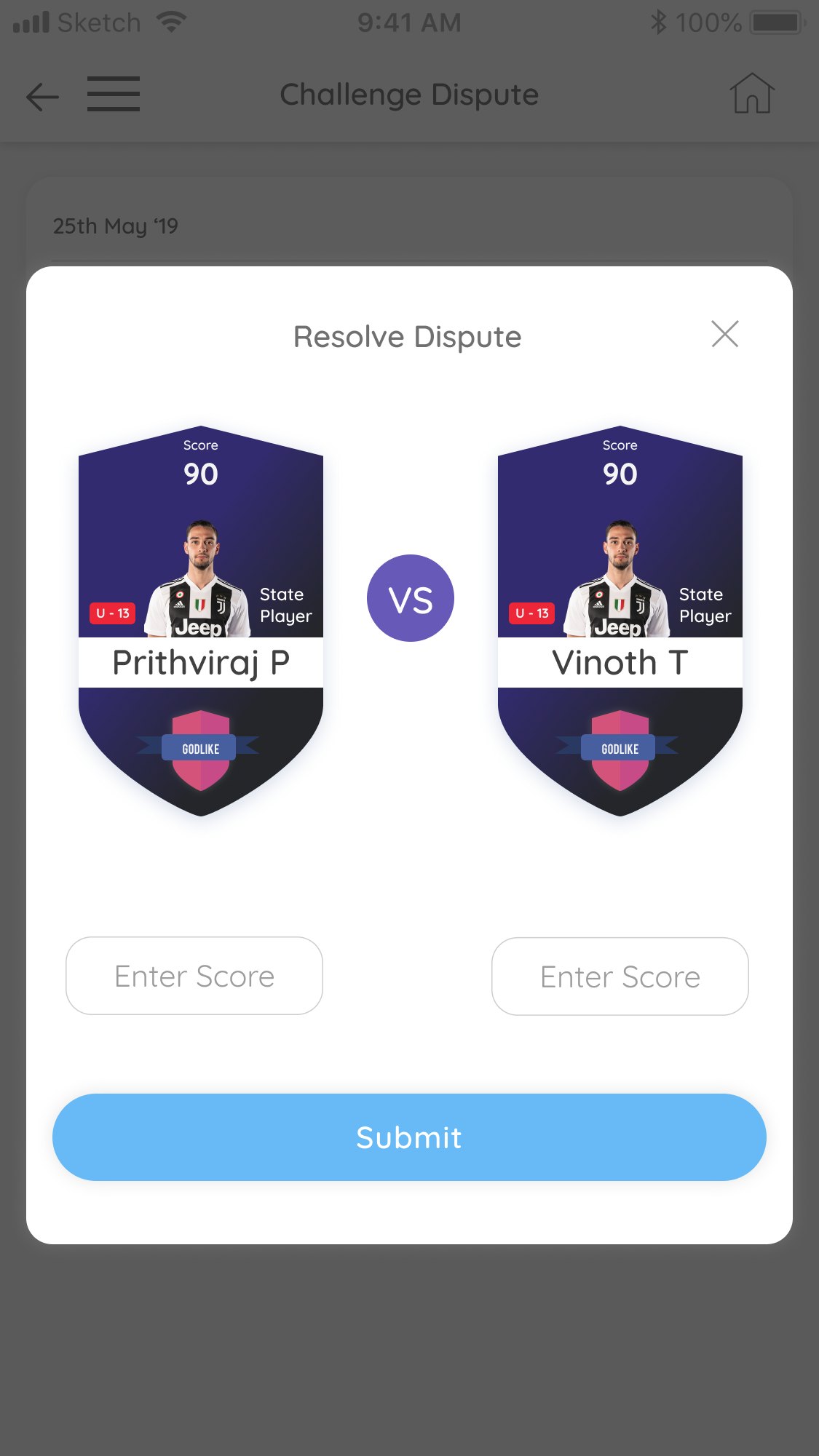
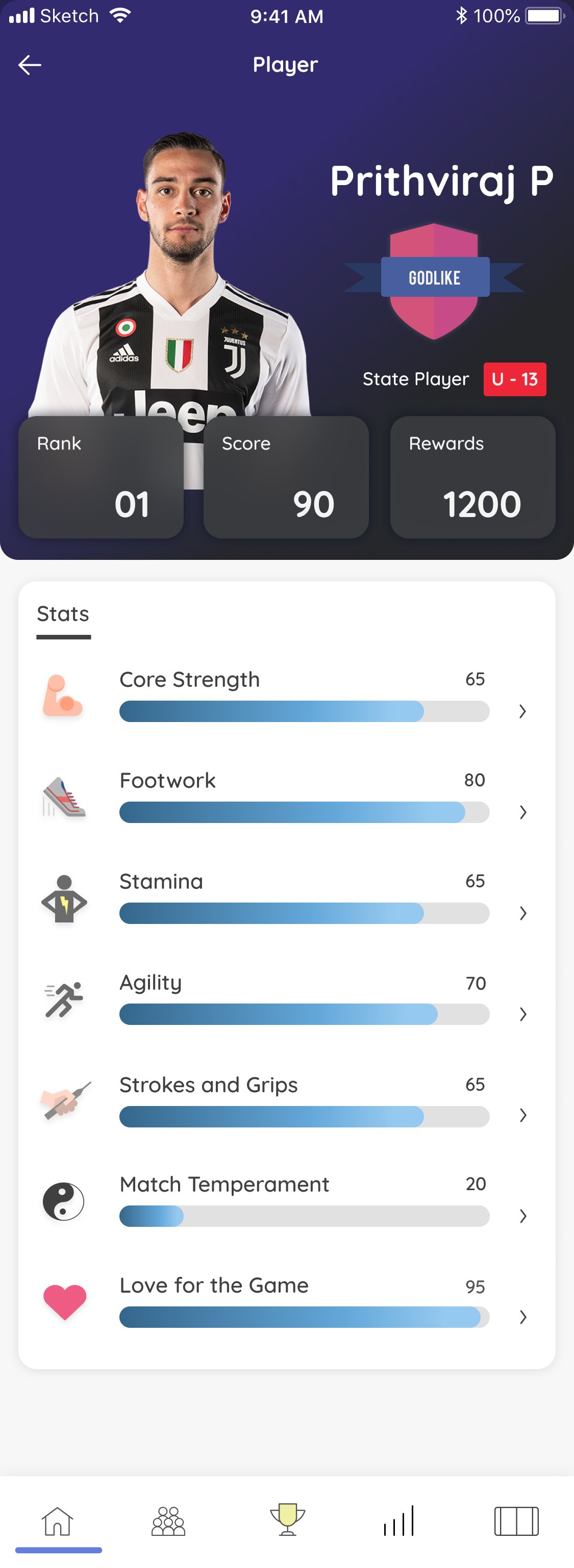
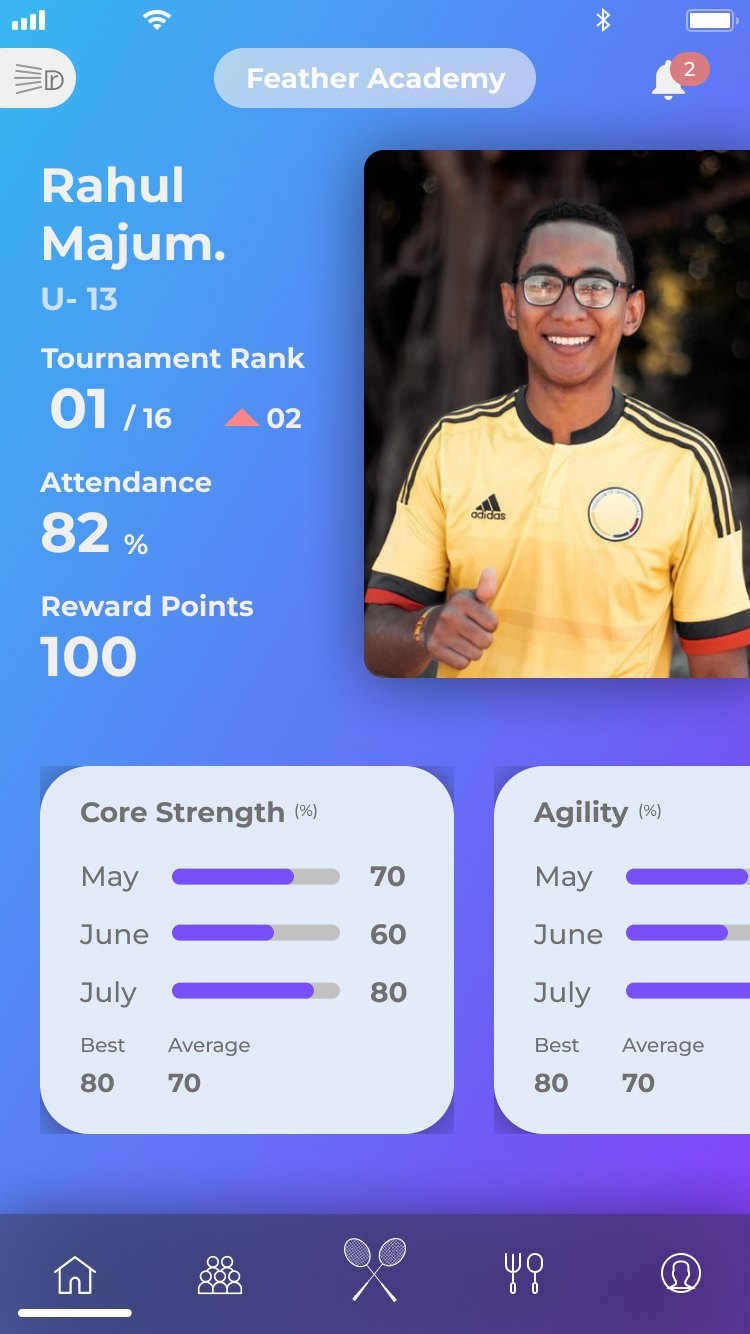
- The competitive feature — player rankings, the formal player-challenge flow, and a trading-card-style stats profile — the product’s core hook
- Interaction and visual design — across the academy panel and the three apps
- Product direction and feature prioritisation, in co-creation with the client (Mr. Pratish)
- Coaching-progress rubric — core strength, strokes & grips, match temperament, love for the game, tracked over time
Solo design team — the full product delivered in about 1.5 months. Tools: Sketch, paper sketching.
A full product system delivered solo — information architecture, flows and UI across an academy web panel and the coach, player / parent and guest apps. Launched as the foundation of Machaxi. Designed first for badminton academies, it has since expanded across many sports and grown into a go-to destination for sports enthusiasts in India.
The IA as the boundary object
Moving from the client’s written requirements to real screens, the information architecture was the shared artefact the whole team aligned around. Mapping academy, coach, player / parent and guest onto one structure turned a two-part brief into a single, buildable product — and kept every role’s experience simple.
Two jobs, one product
Academy management and open court booking lived on the same data model. For Machaxi, the booking side became a lead generator and a revenue stream — a 5% commission on every court booking — while the academy player-management app became an upsell. Two business models, one product, no second build.
Make playing competitive
Player rankings and formal challenges let academy players compete and climb, turning training into something to come back to. This competitive layer was built for coaching members.
Most academy tools treat a player as a row in an attendance sheet. Machaxi made each player feel like an athlete with a card worth levelling up.
The information architecture was the bridge from the client’s brief to real screens. From there, I explored directions in the wireframes and tightened them into the shipped UI.
The player home — two directions
I explored two ways to frame the player experience: a performance dashboard and a collectible player card. The card gave stats, identity and progression one stronger focal point.
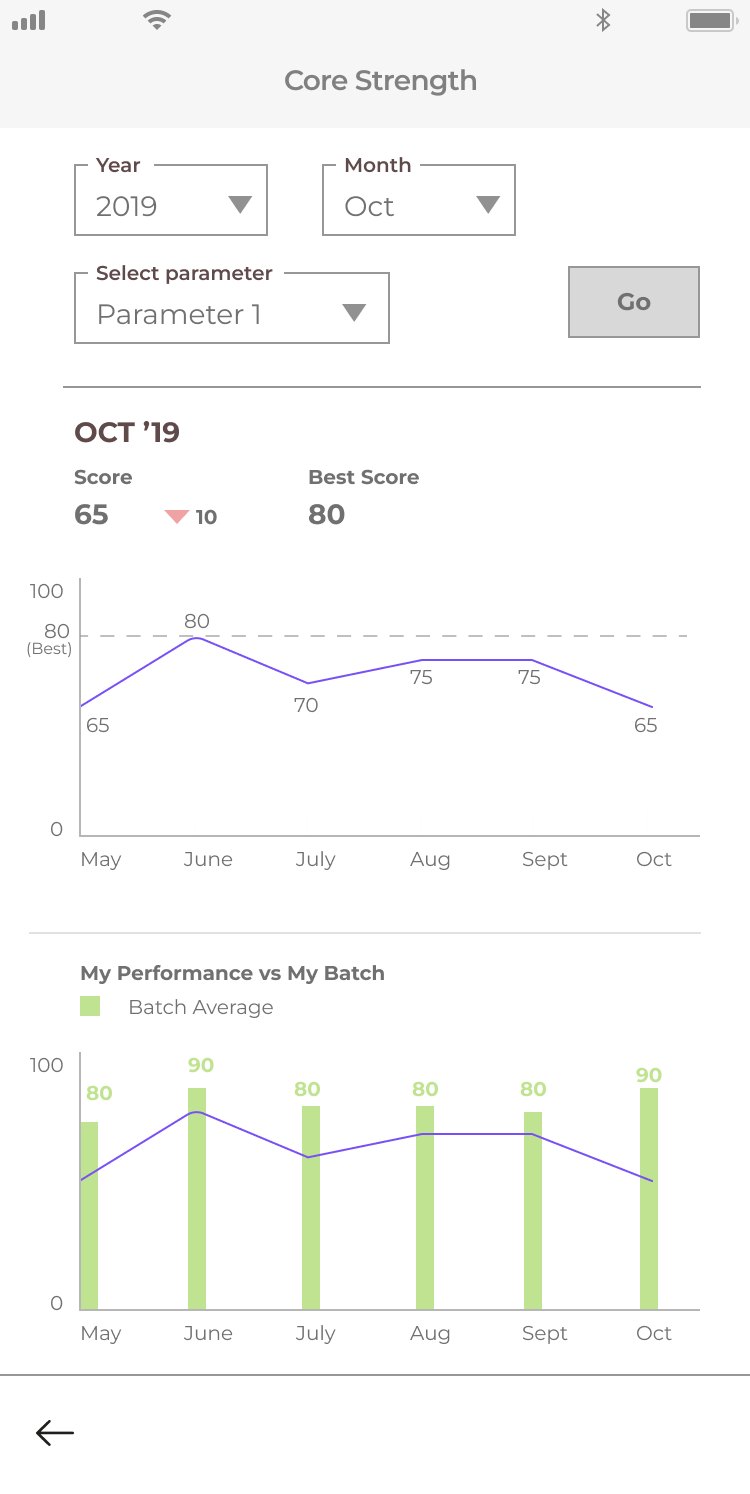
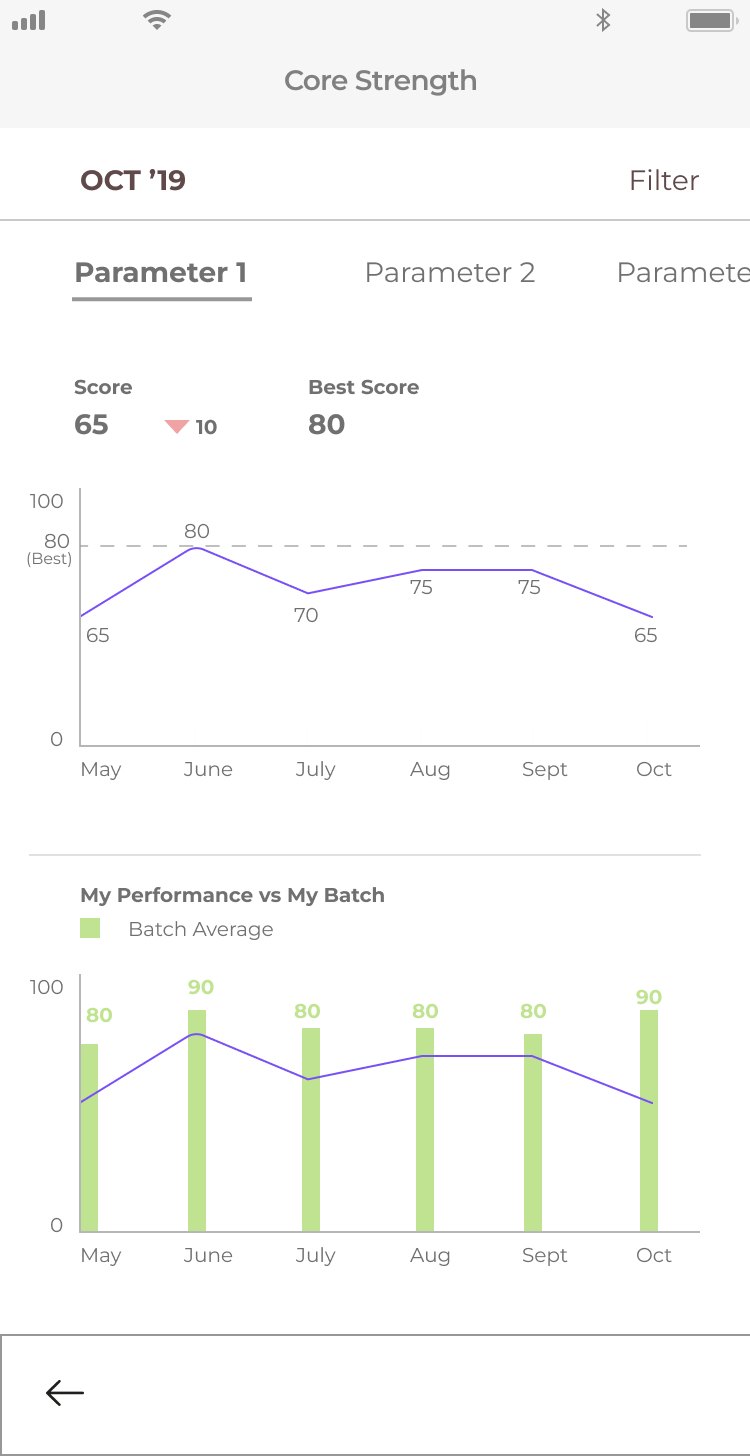
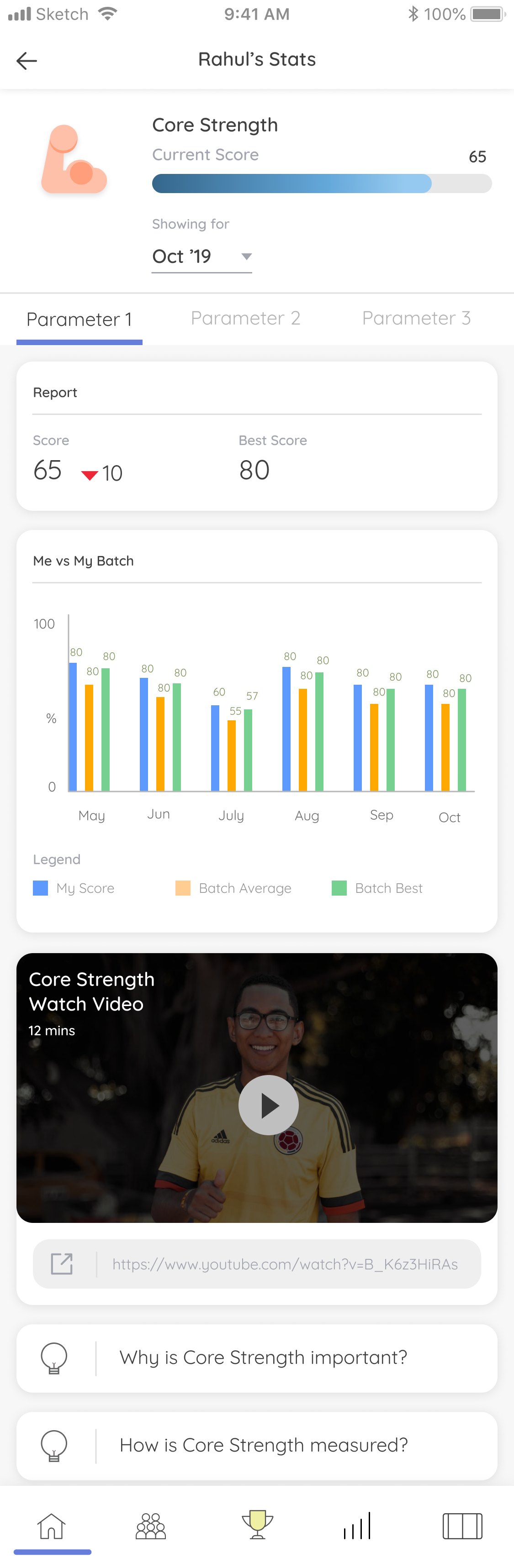
The stat detail — three iterations
I iterated the performance view three times, simplifying the hierarchy and reducing the steps between a player and the stats they cared about.
Running the academy
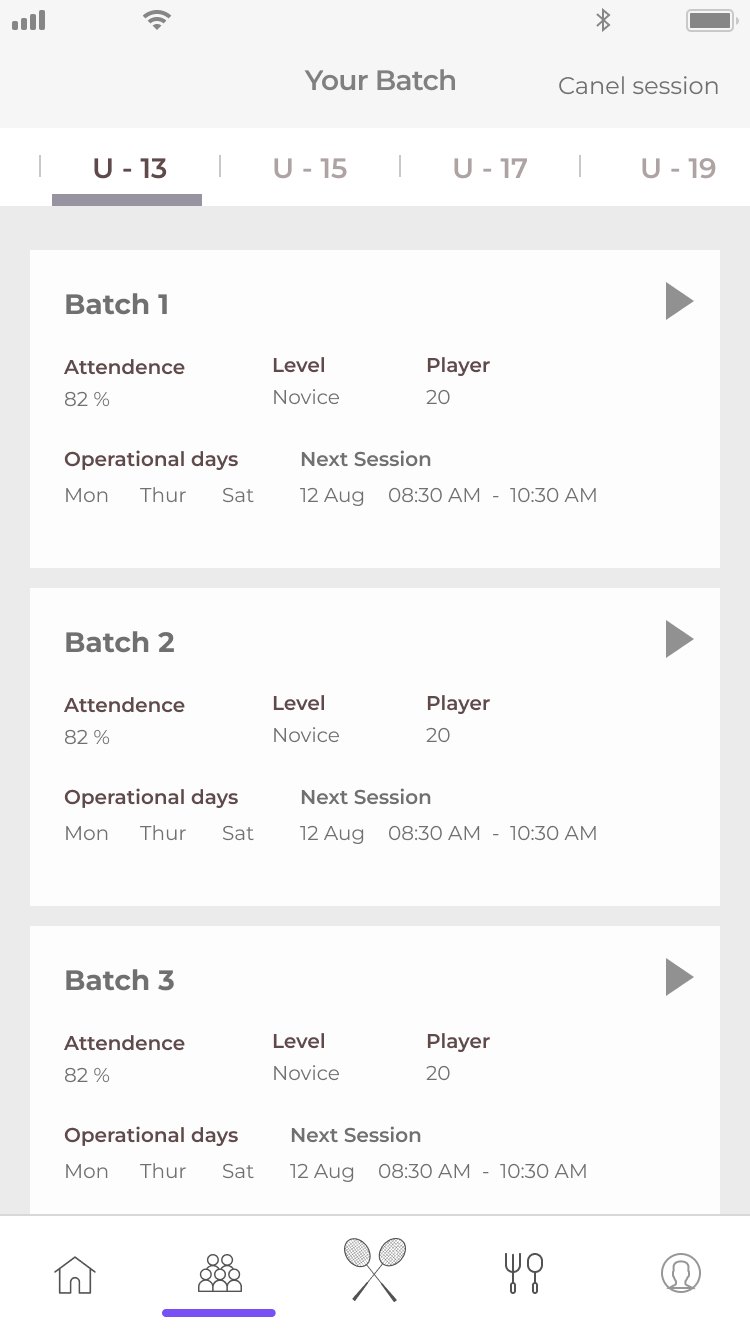
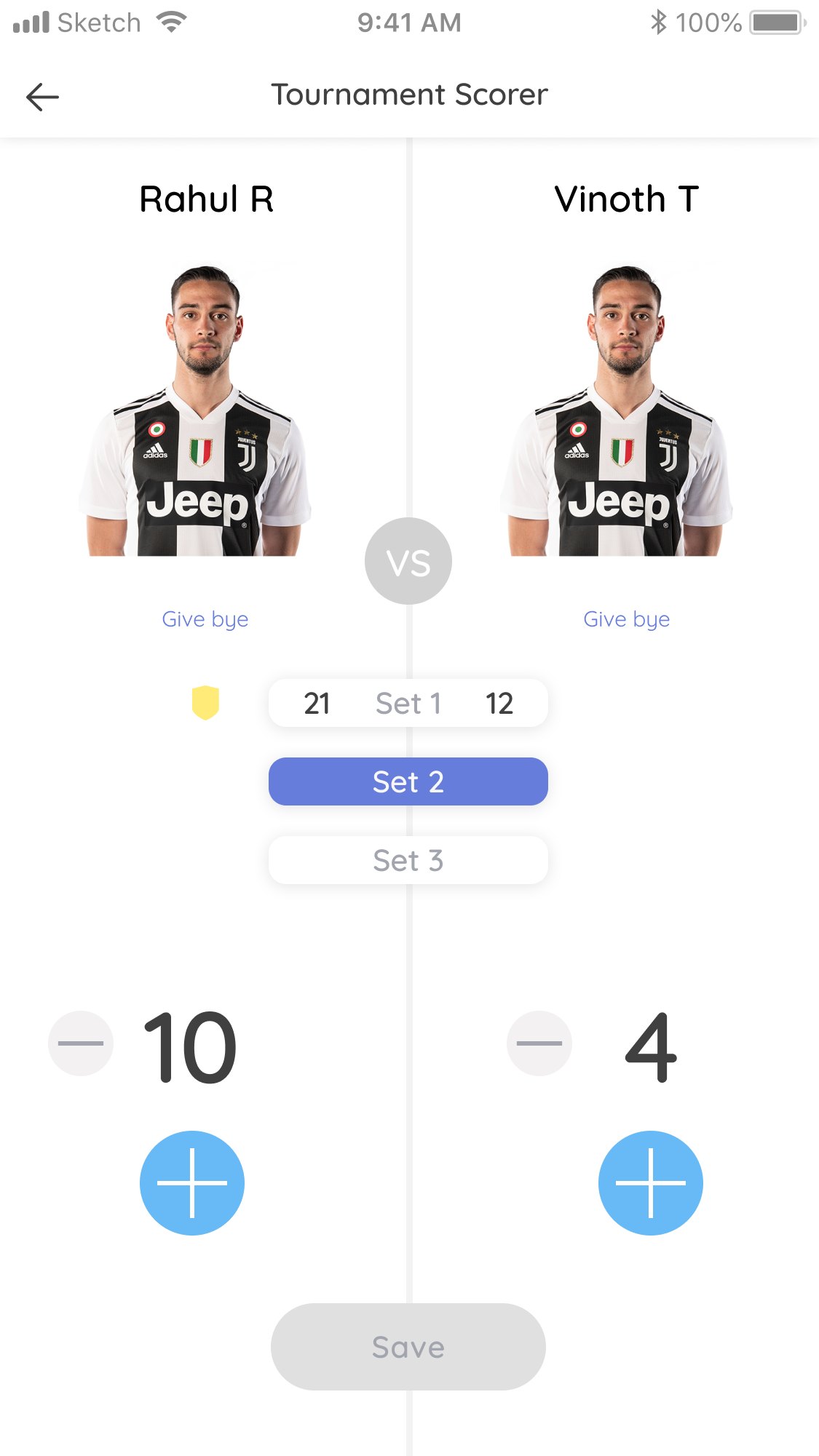
The coach and academy experience brought batches, match scoring and player management into one operational layer for the day-to-day work of running an academy.

Competitive play
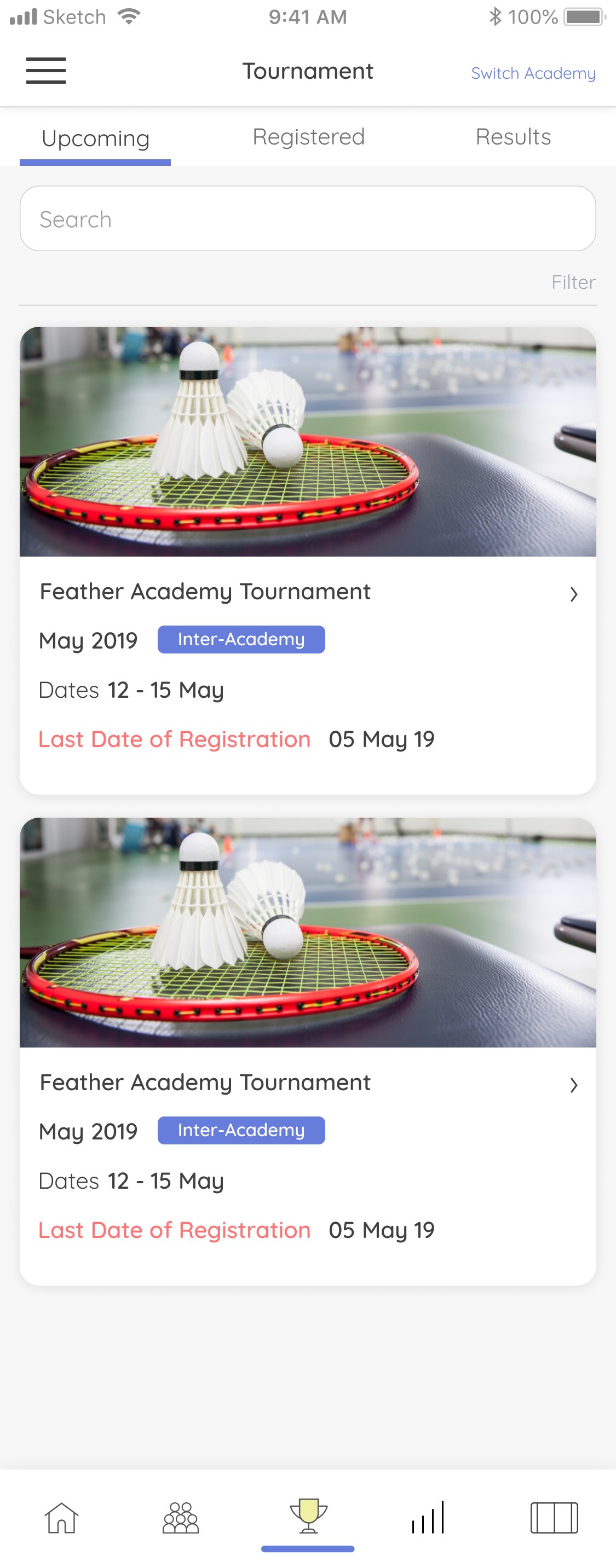
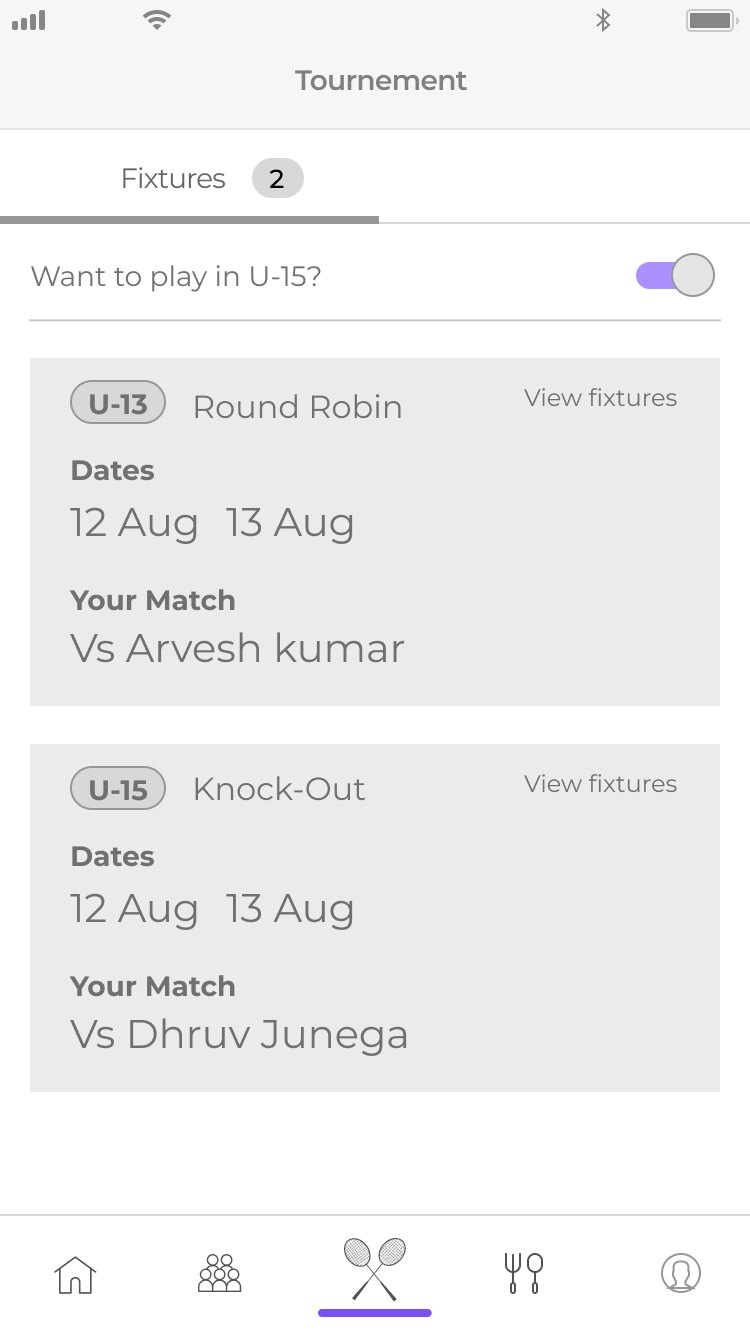
Tournaments and fixtures extended the product beyond regular coaching, giving players a clear path to discover events, register and enter competitive play.
Challenges & the roster
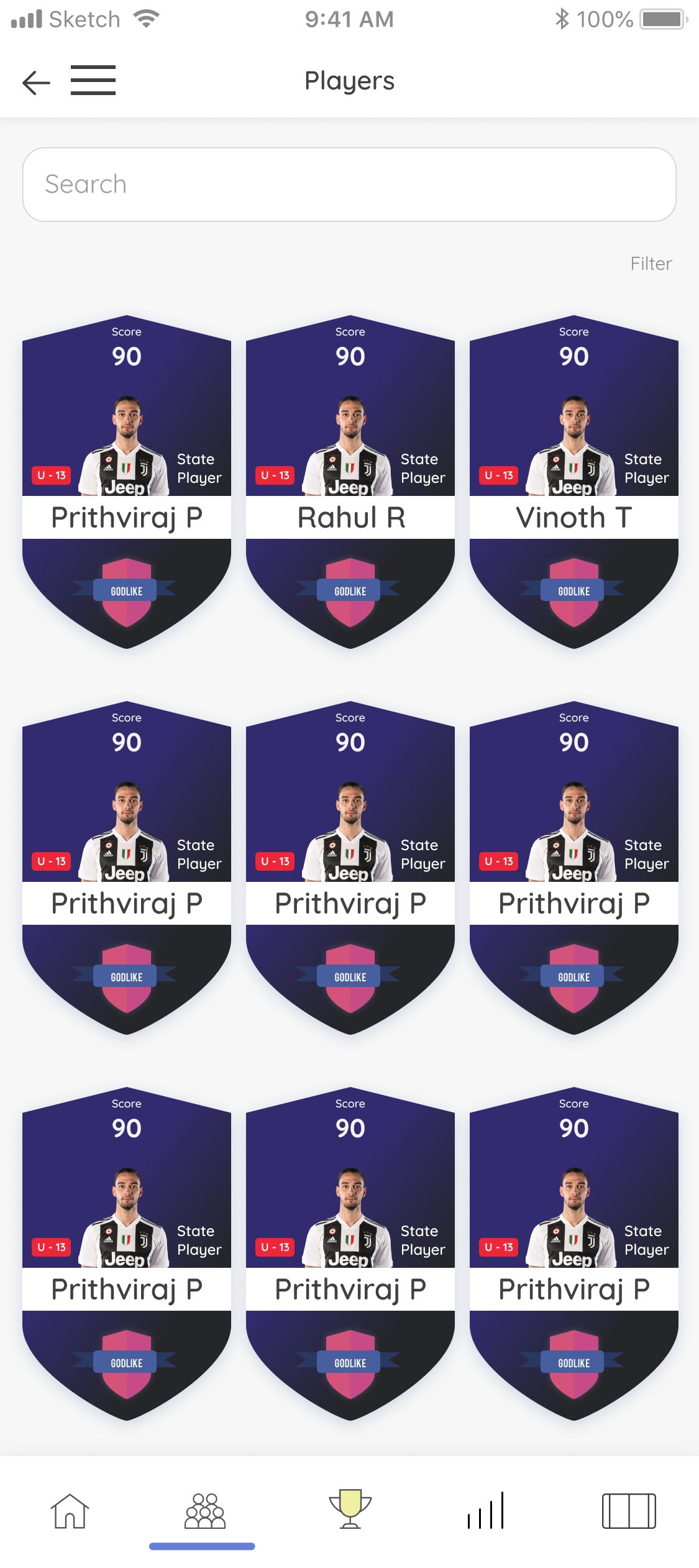
Player cards became more than profiles: the roster made players discoverable, while challenges turned rankings into an active competitive loop that encouraged return play.